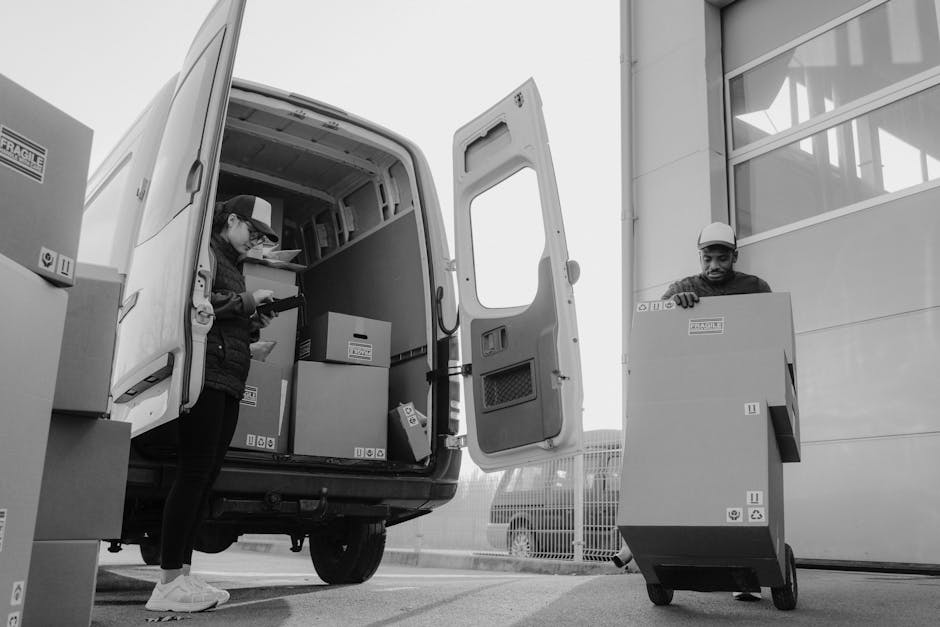
Tips for Moves Near Turnham Green and Chiswick Park

Moving in and around Turnham Green and Chiswick Park can be refreshingly straightforward if you plan it well - and surprisingly stressful if you assume a local move will look after itself. Narrow residential streets, busy main roads, lift access, parking pressure, and the simple reality of London timing can all turn a small relocation into a long day. The good news is that a bit of local know-how goes a long way.
This guide brings together practical, local-focused Tips for Moves Near Turnham Green and Chiswick Park, whether you are moving a flat, relocating a family home, or shifting a small office. You will find advice on timing, access, packing, vehicle choice, cost control, and the details people often overlook until the van is already outside.
If you want the move to feel calm rather than chaotic, the aim is simple: prepare early, match the service to the job, and remove friction before moving day. That means thinking about parking, building access, item volume, and the type of help you actually need, not just the type you hope you need.
Quick takeaway: the best move near Turnham Green and Chiswick Park is rarely the biggest one. It is the one that is planned around access, timing, and the right removal support from the start.
Why Tips for Moves Near Turnham Green and Chiswick Park Matters
Local moves can look simple on paper. A short distance, a familiar neighbourhood, and maybe only a few rooms of belongings. Yet the area around Turnham Green and Chiswick Park has its own set of moving realities: busy commuter traffic, controlled parking in many streets, a mix of period homes and modern apartments, and different access conditions from one building to the next.
That matters because the smallest logistical issue can create a long delay. A parking space that is too far from the entrance. A lift that is not booked. A sofa that will not clear a narrow stairwell. A moving truck that is larger than the road comfortably allows. None of these are dramatic on their own, but together they can make the day feel endless.
For that reason, strong planning is not an optional extra. It is what keeps a local move efficient, protects your belongings, and reduces the chance of last-minute costs. It is also why many people choose a tailored service rather than trying to handle every part alone. If your move is straightforward, a man and van service may be enough. If there is more furniture, more boxes, or more pressure on timing, a fuller solution such as home moves support or even house removalists may be the safer fit.
In practical terms, local moving success comes down to three things: access, volume, and timing. Get those right and most other problems become manageable.
How Tips for Moves Near Turnham Green and Chiswick Park Works
The process is less about a single big lift-and-go moment and more about reducing friction step by step. A well-run move usually starts with an assessment of what is being moved, where it is coming from, and where it needs to go. From there, the right size of vehicle, crew, packing support, and schedule can be matched to the job.
For a smaller move, a compact van and a few hours may be enough. For a larger home or office, a more structured plan is usually better. This could include boxes, wrapping materials, loading order, safe dismantling of furniture, and a route that avoids the worst traffic windows. Some moves also benefit from specialist help such as packing and unpacking services, which saves time and makes breakables easier to protect properly.
There is also a practical difference between simply transporting items and managing the move end to end. The latter often includes advice about what vehicle size is needed, how to handle awkward access, and whether extra help is sensible. If you need larger capacity, a moving truck or removal truck hire may be more efficient than making several smaller trips.
For office moves near the area, the same logic applies, but timing becomes even more important. A workplace relocation usually needs more coordination with building management, fewer disruptions, and a tighter handover window. In those cases, office relocation services can be a practical choice.
Key Benefits and Practical Advantages
Good move planning is not just about avoiding headaches. It also creates practical advantages that are easy to feel on the day.
- Less downtime: if access and packing are organised properly, the move finishes faster and with fewer interruptions.
- Lower risk of damage: items are packed, stacked, and loaded in a way that suits their shape and fragility.
- Better use of budget: the right service level means you are not paying for unnecessary capacity or emergency fixes.
- Less physical strain: heavy lifting, awkward corners, and stair navigation are all easier when handled by people with the right equipment.
- More predictable timing: a planned move is much easier to coordinate with landlords, offices, and building access windows.
One often overlooked benefit is decision clarity. Once you know what is moving, how much space it needs, and how difficult access will be, the rest becomes much easier to organise. That includes whether you should use a basic van, a larger moving truck, or a full team for the day.
There is also a sustainability angle. Fewer wasted trips, better packing, and sensible disposal of unwanted items all help reduce the environmental footprint of the move. If you are decluttering beforehand, furniture pick-up can be a useful way to remove bulky pieces responsibly rather than leaving them until the last minute.
Who This Is For and When It Makes Sense
This guidance is useful for a wide range of people, but especially for anyone moving within Chiswick, relocating into the area, or shifting out of a property near the Turnham Green and Chiswick Park stations.
It tends to make the most sense if you are:
- moving from a flat with stairs, shared hallways, or limited parking
- relocating a family home with furniture, appliances, and boxed belongings
- staging a move around work or school schedules
- moving office items or equipment in a time-sensitive setting
- trying to keep costs under control without cutting corners on safety
- trying to decide between a small van, a larger truck, or a full removals team
Truth be told, plenty of people underestimate a local move because the distance looks short. But distance is only one part of the equation. The real question is how easily the items can be moved in and out of the buildings involved.
If your move is simple, a flexible service such as man with van support may be sufficient. If your move involves a broader household relocation, then a more structured approach through home moves or house removalists can save a lot of strain.
Step-by-Step Guidance
Here is a clear way to approach a move near Turnham Green or Chiswick Park without letting details slip through the cracks.
1. Confirm what is actually moving
Start with a room-by-room list. Do not guess. Count the major furniture, note fragile items, and identify anything awkward such as mirrors, large TVs, desks, or bikes. This helps you choose the right vehicle and avoid underestimating the job.
2. Check access at both properties
Look at parking, staircases, lifts, entry codes, loading restrictions, and how far the entrance is from the road. A short walk from the van to the door can still add meaningful time. If access is tight, mention it early when requesting a quote.
3. Choose the right moving support
This is where many moves are won or lost. A single-room move may suit a man and van arrangement. A larger or more fragile move may need packing help, a bigger truck, or a more complete removals team. If you are unsure, ask for advice before booking. A reputable provider should be able to explain the difference plainly. You can start that process through the site's pricing and quotes page.
4. Declutter before you pack
Moving is expensive in proportion to what you take with you. That old side table you meant to sell last spring? If it has no real value or use, moving it only creates extra effort. Set aside items for donation, resale, recycling, or disposal before packing begins.
5. Pack by priority and fragility
Pack non-essential items first. Keep daily essentials separate. Use clearly labelled boxes for kitchenware, documents, chargers, and toiletries. Fragile items should be wrapped securely and boxed with enough cushioning to prevent movement. If you prefer not to handle the packing yourself, professional packing and unpacking services can take the pressure off.
6. Prepare the building and neighbours
Let building managers, landlords, or neighbours know the moving window if necessary. In shared buildings, small courtesies matter more than people often think. A clear lift booking and a polite heads-up can prevent avoidable friction.
7. Protect the route
Use floor protection where needed, especially in homes with polished surfaces or tight turns. Door frames, banisters, and corners are the usual trouble spots. Small precautions here can save a lot of irritation later.
8. Load in a sensible order
Heavy items should generally go in first, with lighter and more delicate belongings secured later. Keep items that will be needed first at the end of the load or in easy reach. A little thought here makes unloading calmer and faster.
9. Do a final walk-through
Before leaving, check cupboards, lofts, shelves, storage spaces, and sockets. Moving day has a strange way of making people forget the obvious. It happens to everyone.
10. Unpack the essentials first
Start with the items you need for the first night: bedding, kettle, basic kitchen equipment, chargers, and toiletries. Once the essentials are in place, the rest of the unpacking feels far less overwhelming.
Expert Tips for Better Results
A smooth move is usually the result of small, sensible decisions made early.
Book around local traffic reality, not just the clock. A 9 a.m. start may sound efficient, but if it collides with commuter movement or school traffic, you can lose time before the loading has even begun. The best timing depends on your route, access, and the amount of work involved.
Use one source of truth for labels. If every box is marked slightly differently, unpacking becomes slower. A simple system such as room name plus contents is enough. For example: "Kitchen - mugs and glassware." Clear and boring is excellent here.
Measure awkward items before moving day. Sofas, wardrobes, bed frames, and large desks are the usual culprits. If in doubt, measure doorways and stair turns as well. It is much better to know a month early that something needs dismantling.
Separate valuables and documents. Important papers, passports, jewellery, and essential electronics should travel with you, not disappear into a general box pile.
Build in slack. If you think packing will take six hours, give yourself more than six. Moves rarely reward optimism. A bit of buffer time makes the day feel manageable rather than rushed.
Choose disposal carefully. If you have items to remove, do not leave it until the final 24 hours. Services like furniture pick-up can help reduce clutter and simplify loading.
Expert summary: The most efficient local moves are usually not the ones with the fewest boxes. They are the ones where access, packing, vehicle choice, and timing all support each other.
Common Mistakes to Avoid
Even organised people make the same few mistakes when moving locally. Avoiding them can save time, money, and frustration.
- Underestimating volume: a few extra boxes and one bulky wardrobe can change the whole plan.
- Ignoring access issues: shared entrances, limited parking, and stairs should be accounted for early.
- Poor box labelling: unlabeled boxes turn unpacking into detective work.
- Leaving packing too late: rushed packing increases breakage risk.
- Choosing the wrong vehicle: too small means multiple trips; too large may be unnecessary.
- Forgetting building rules: some properties have move-in windows or restrictions that need checking in advance.
- Not protecting fragile items: towels are not always enough. Use proper wrapping and support.
- Failing to plan disposal: bulky unwanted items can block hallways and waste time on the day.
A good rule of thumb is to assume the move will take slightly longer than your first estimate, then prepare so that does not matter.
Tools, Resources and Recommendations
You do not need specialist equipment for every move, but a few practical tools make a real difference.
- Strong boxes: use consistent sizes where possible, especially for books and kitchen items.
- Packing tape and labels: choose a labeling system before the first box is sealed.
- Bubble wrap or paper: useful for glass, ceramics, and anything with fragile edges.
- Furniture covers: helpful for protecting upholstery and dust-sensitive items.
- Dollies or trolleys: useful for heavy boxes and appliances where access allows.
- Measuring tape: one of the simplest and most useful tools in any move.
- Inventory list: especially important for larger homes or office moves.
For many people, the most useful "resource" is actually the right service combination. For instance, if you are moving a smaller load but need flexibility, man and van support can be efficient. If you need a bigger vehicle, removal truck hire or a moving truck may be a better fit. For work moves, commercial moves and office relocation services provide a more targeted approach.
You may also want to review practical policies and support pages before booking, especially if you are comparing providers. The site's insurance and safety information and health and safety policy help set expectations around care, handling, and responsibility. If you are looking into booking or payment details, payment and security is worth reading too.
Law, Compliance, Standards, or Best Practice
For most home or office moves, the key compliance issues are practical rather than complicated. You do not usually need to navigate heavy regulation for a standard local removal, but you do need to respect access arrangements, property rules, and general safety responsibilities.
Best practice typically includes the following:
- confirming parking or loading arrangements in advance where relevant
- checking whether the building has lift booking rules or restricted move times
- ensuring items are carried safely and not left to block communal areas
- discussing fragile or high-value items before the move
- using reasonable care with floors, walls, and shared spaces
- clarifying what is included in the service and what is not
If you are moving office equipment, remember that workplaces often have additional internal procedures around keys, IT, access badges, and handover timings. Commercial moves tend to work best when both sides are clear on the schedule and responsibilities.
For anyone comparing providers, trust signals matter. Clear terms, accessible communication, transparent quotes, and sensible safety information are all good signs. The site's terms and conditions and about us pages are useful starting points if you want to understand the service structure before making a booking.
Options, Methods, or Comparison Table
Choosing the right moving method depends on volume, access, budget, and how much support you want on the day. Here is a simple comparison to make the choice easier.
| Option | Best for | Strengths | Watch-outs |
|---|---|---|---|
| Man and van | Smaller flats, a few large items, flexible local moves | Quick, adaptable, usually efficient for short-distance relocations | May not suit larger loads or more complex access |
| House removalists | Full home moves with more furniture and boxes | More structured handling, better for bigger loads | Can be more than needed for a very small move |
| Moving truck or truck hire | Bulky loads, multiple rooms, or jobs needing extra capacity | Useful when volume is the main issue | Needs good planning around access and loading space |
| Packing and unpacking support | Busy households, fragile belongings, tight schedules | Reduces stress and improves packing consistency | Extra service cost, though often offset by time saved |
| Office relocation services | Business moves, equipment transfers, time-sensitive relocations | Better coordination and smoother handover planning | Requires early scheduling and clear internal communication |
As a practical example, a one-bedroom flat near Chiswick Park with easy access may only need a modest vehicle and a careful loading plan. A three-bedroom house with furniture, children's items, and a narrow street outside is a different story entirely. In other words, the best option is the one that matches the real move, not the imagined one.
Case Study or Real-World Example
Consider a typical local scenario: a couple moving from a second-floor flat near Turnham Green to a nearby property not far from Chiswick Park. The total distance is short, but the old building has a narrow stairwell, limited street parking, and several pieces of furniture that need careful handling.
On paper, this looks like a "simple" move. In practice, it benefits from a small team, clear labels, an early start, and pre-arranged parking planning. The couple first sorted their belongings into keep, donate, and discard piles. They used furniture pick-up for two unwanted items, packed essentials separately, and booked a service that could handle both transport and loading efficiently.
The result was not dramatic. That is exactly the point. The move was calm, the day stayed on schedule, and there was no frantic search for missing chargers or kitchen basics at 10 p.m. That is what good moving planning looks like: not glamorous, just effective.
If the same couple had assumed "it is only round the corner," they might have ended up with too few hands, the wrong vehicle, and a long afternoon of avoidable stress. Local moves rarely fail because of distance. They fail because of assumptions.
Practical Checklist
Use this checklist in the week before your move near Turnham Green or Chiswick Park.
- Confirm moving date and time
- Check parking and access at both addresses
- Measure large furniture and doorways
- Book lift access if needed
- Choose the right moving service for the load size
- Set aside valuables, documents, and essentials
- Pack a first-night bag
- Label boxes by room and contents
- Arrange disposal or pick-up of unwanted items
- Protect fragile items with proper packing materials
- Notify relevant landlords, building managers, or neighbours
- Review quote details, inclusions, and payment terms
Helpful final check: if you would feel uncomfortable carrying an item through the building yourself, do not leave it to chance on moving day.
Conclusion
Moving near Turnham Green and Chiswick Park does not need to be complicated, but it does need to be considered. The most effective approach is usually the one that treats access, timing, and item volume as the main planning variables from the beginning. Once those are clear, everything else falls into place more easily.
Whether you are arranging a small flat move, a family relocation, or a business transfer, the best outcome comes from matching the service to the job and preparing properly for the day itself. If you want a move that feels organised rather than rushed, start with a clear quote, a realistic packing plan, and a service that understands local conditions.
For extra confidence, explore the site's service pages, compare what suits your move, and speak to a team that can help you choose the right setup for your situation. A little planning now can save a lot of effort later.
Get a free quote today and see how much you can save.
Frequently Asked Questions
What is the best way to prepare for a move near Turnham Green and Chiswick Park?
The best preparation is to check access, measure large items, declutter early, and choose a service that suits the size of your move. A short local distance does not remove the need for planning.
Should I book a man and van or a full removal team?
It depends on volume, access, and how much help you need. A man and van is often suitable for smaller or simpler moves, while a fuller removal team is usually better for larger homes or tighter schedules.
How early should I book my moving service?
As early as possible, especially if you are moving during a busy period or need a specific time slot. Early booking also gives you more time to assess access and packing needs.
Do I need to arrange parking for a local move?
Often, yes. In many parts of London, parking can be one of the biggest practical issues on moving day. It is wise to check local restrictions and think about loading space well in advance.
What should I pack separately for moving day?
Keep essentials separate, including documents, chargers, toiletries, medications, snacks, keys, and a change of clothes. These are the items you will want easy access to after the move.
Can packing services really save time?
Yes, especially if you have fragile items, a tight deadline, or simply too much to do. Professional packing can reduce stress and help keep everything organised.
What if my furniture will not fit through the door?
Measure furniture and access points before moving day. If there is a risk of a fit issue, plan for dismantling or ask the removals provider what can be done safely in advance.
How do I reduce moving costs without cutting corners?
Declutter before you move, pack non-fragile items yourself if appropriate, and choose a service level that matches the actual job. Avoid paying for more vehicle or labour than you need.
Are there special considerations for office moves in this area?
Yes. Office moves usually need tighter timing, better coordination, and attention to building access, equipment handling, and handover deadlines. Commercial move planning is more important because downtime affects work.
What should I look for in a trustworthy removals provider?
Look for clear communication, sensible pricing information, useful service detail, and straightforward terms. Safety, insurance, and payment clarity are all good signs that the provider is organised and reliable.
Is it worth using furniture pick-up before moving?
Yes, if you have bulky items you no longer want. Removing them before the move can make packing easier, reduce loading time, and prevent clutter from slowing the day down.
Where can I get a quote or ask about the right moving option?
You can start by reviewing the provider's service pages and requesting a tailored estimate through the contact or quote options. A good quote should reflect your property type, access, and item list rather than using a one-size-fits-all approach.